
Models have been used in fashion since 1853, when Charles Frederick Worth, the "father of haute couture" decided to ask his wife to wear the dresses he produced in front of customers. The reason why Worth wanted his wife to wear his clothes rather than putting them on a static mannequin is still an integral part of modern marketing strategies of famous brands today.
Connecting with customers
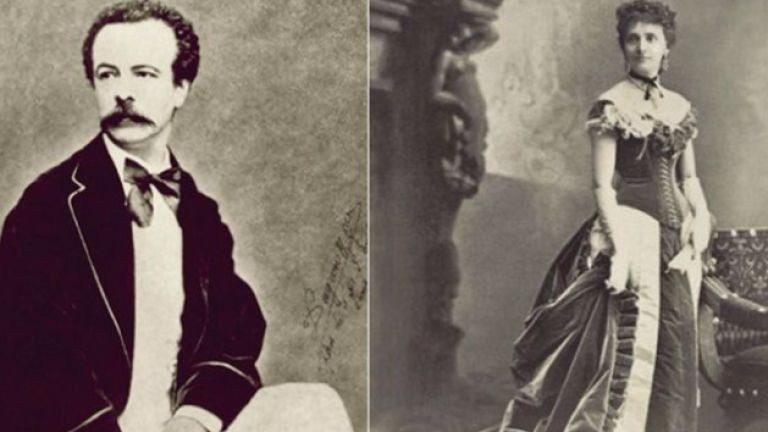 In fact, what Marie Worth did for her husband had never been done before - she was able to show their clients the way garments moved and how they fit her body type, thus helping customers identify with the clothes. The main drive behind the modelling industry remains somewhat similar today - building trust,creating an emotional connection, and enhancing brand identity, amongst others.
 Visualising how clothes look and move on a real body helps customers decide whether the look would suit their particular features. Hence, the return rate of products is reduced, especially in online shopping. In the recent months we have seen a surge of AI models being used in fashion advertisements and brand websites. This poses the question of how realistic is the visualisation of an AI generated image of a dress? Most customers are aware that AI enhances features by airbrushing and manipulating details, such as light and background, to look unrealistic. This means that an AI image of a model wearing a dress does not realistically reproduce ‘how the dress would look on me as a client’, which is ultimately the question we all ask ourselves when shopping online. Therefore, the use of AI for online sales could create a distorted image of the brand’s product, leading to loss of trust. It is essential for every brand to evaluate the advantages and disadvantages of using real models versus AI models, bearing in mind the values of the company.
Visibility and representation
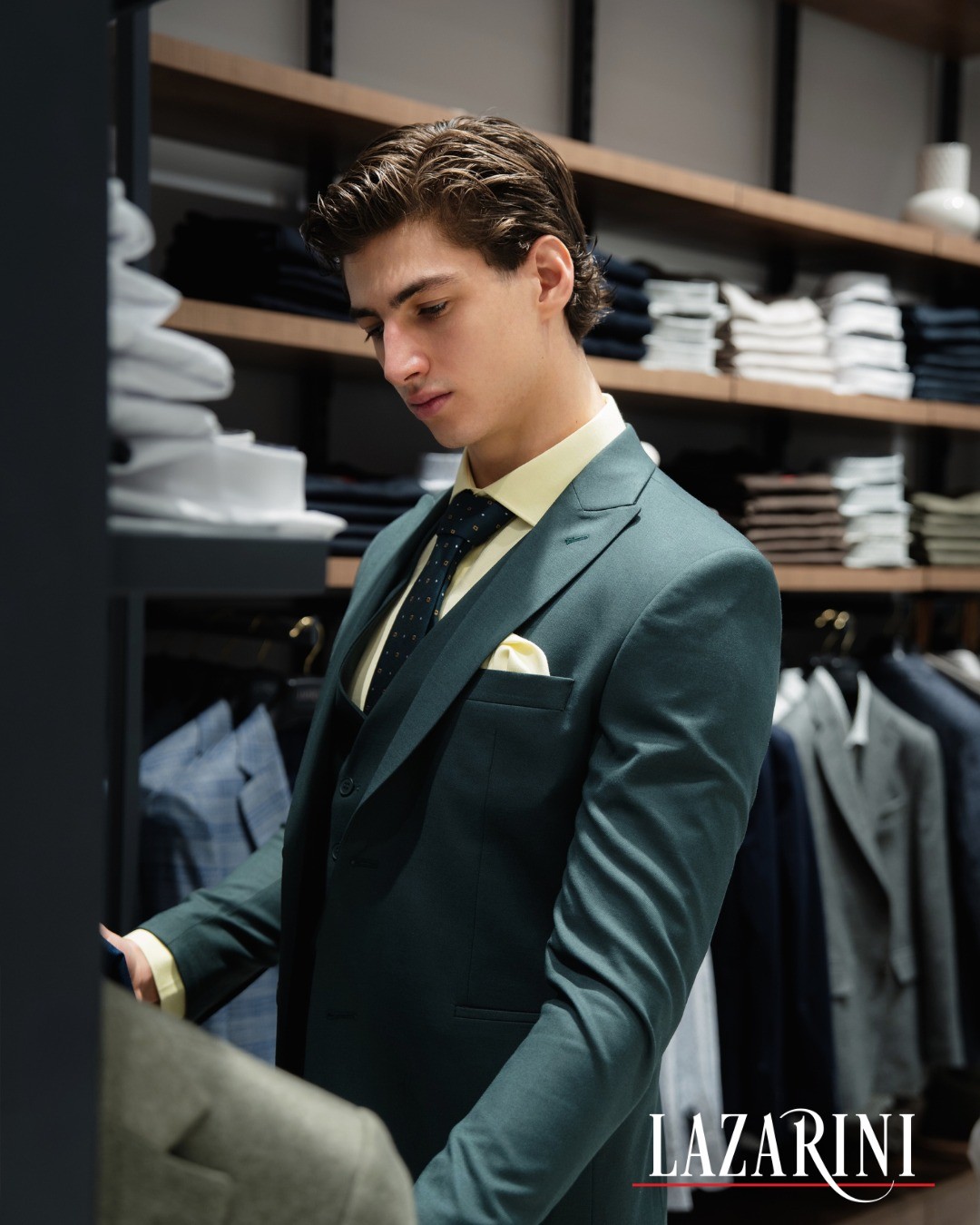 Probably one of the most important characteristics of brand identity is its visibility. This means who talks about the brand, how often and does this lead to profit. Therefore, employing models in runwayshows, events and advertising campaigns can help generate media coverage, and social media attention. For the time being, AI models are used in digital advertising, however real-life models are generally relied upon for live events. The difference between AI models and real-life models is significant in the emotion and energy each carries. Real models are able to respond to the feelings and reactions of the audience in real time. They have a unique character that is usually aligned with brand identity. The future development of AI tools will show how and if human character and feelings can be reproduced realistically in the field of fashion.
 Professional models continue to play a crucial role in building trust, authenticity, and emotional connection between brands and their customers. While AI-generated models offer efficiency and innovation, they still lack the realism and human presence needed to fully represent how products look and feel in real life. For brands aiming to strengthen their identity and credibility, the use of real models remains a powerful and reliable choice.
Author - Teodora Maude
Sources:

.jpg)
