
 (2).jpg)
Imagine that you are a fashion agent. Three years ago, your phone would ring constantly; brands were looking for models, organised castings, and sent invitations to Fashion Week. Nowadays? Brands are no longer looking for models. What they are looking for are subscriptions. The fashion industry isn’t just “using technology, ” it is undergoing a fundamental systemic reinvention. If you only follow the superficial news, chances are you didn't realise just how far this process has come. Traditional fashion agencies, once the guardians of beauty, now face a new kind of predator, born not of competition but of code.
 Companies like Lalaland.ai are creating lifelike S-Humans (Synthetic Humans, aka. digital models), generated by processing large databases that analyse the most marketable types of faces across the globe. With a single click, they can change the model’s ethnicity, age, body type, and all other characteristics. No breaks, no fee negotiations, no bad days in front of the camera, or personal struggles that noticeably alter their expression. As a result, these models meet all of the client’s requirements and expectations. Currently, fast-fashion businesses are redirecting 80% of their modeling budget toward subscriptions for programs with Artificial Intelligence (AI). Catalog photos featuring real beginner models and the market that served as a “portfolio” are now entirely digitised. The result of these processes is brutal in its simplicity: the stepping stone for young models has been eliminated. The work that once brought the models experience and recognition (catalogs, online stores) has been entirely taken over by software and code.
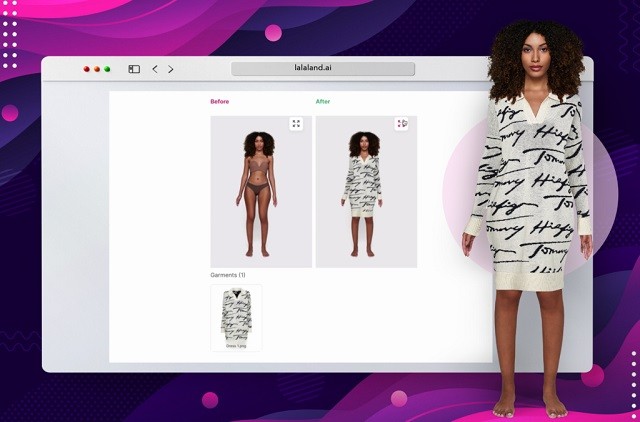 Until recently, Epic Games and Roblox seemed like nothing more than toys for kids. Now they’re becoming something else altogether: a competitor to fashion models. Gen Z and Gen Alpha are the primary users of social media and are increasingly willing to invest in their digital wardrobes rather than their physical ones. When Balenciaga launched a collection in a game, there was no need for models or a runway. All they needed was a skilled 3D artist. Fashion agencies are no longer competing with other agencies. Now they are competing with graphic designers who create “moving clothes” without the need for a human body to wear them.
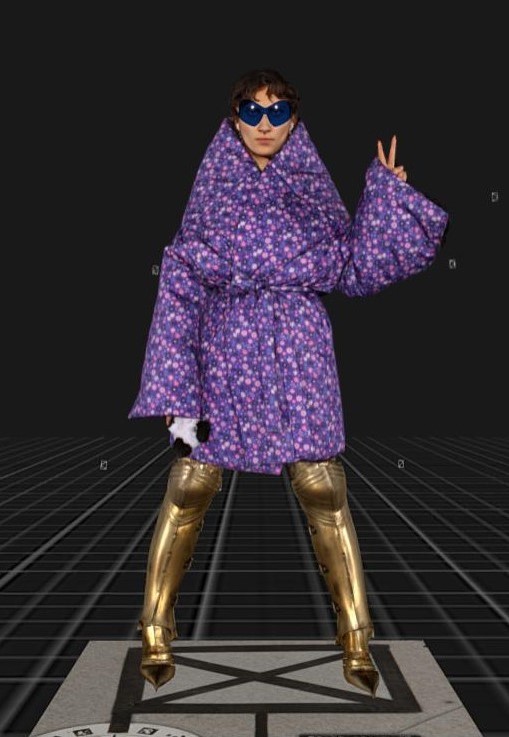 Subconscious marketing strategies are the aspect of sales that can be both the most captivating and the most unsettling. In 2026, major brands rarely ask focus groups whether a garment is appealing. Instead, they analyse the micro-movements of your eyes and the dilation of your pupils as you view virtual models, tracking dopamine-driven reactions entirely beyond your conscious control. The AI model is not just aesthetically pleasing. It is mathematically engineered to be irresistible to your brain before your mind has even had a chance to make a decision. Designs are optimised on a subconscious level. This is not done to please the client, but to trigger an immediate impulse to buy. The difference is fundamental, and it is invisible to all of us.
The industry that used to sell dreams is now facing machines capable of crafting more convincingly than we can. The question is not whether the world of fashion will change. It has already changed. The question is whether the people in it will find their place in this new reality or remain out of sight forever.
Author - Teodora Maude
Resources: